Home Is It True? Common Hearing Loss Myths Explained by Audiologists
Is It True? Common Hearing Loss Myths Explained by Audiologists
- Author: Medically Reviewed by Dr Jessica M. Frankel
Misunderstandings can be loud.
Here's what the science actually says.
Think you’d know if you were losing your hearing? Not always. From subtle signs to surprising truths, we’re breaking down the biggest hearing loss myths. Learn what’s real, what’s outdated, and how to get expert care across NYC and Garden City.
Myth 1:
Hearing loss only affects older adults
About 1 in 5 children in the U.S. is diagnosed with hearing loss by age 12. It can be caused by noise, illness, or even medications. The sooner it’s caught, the easier it is to treat.

Myth 2:
Hearing aids restore "normal" hearing
✔️ Fact: They make hearing clearer and life easier.
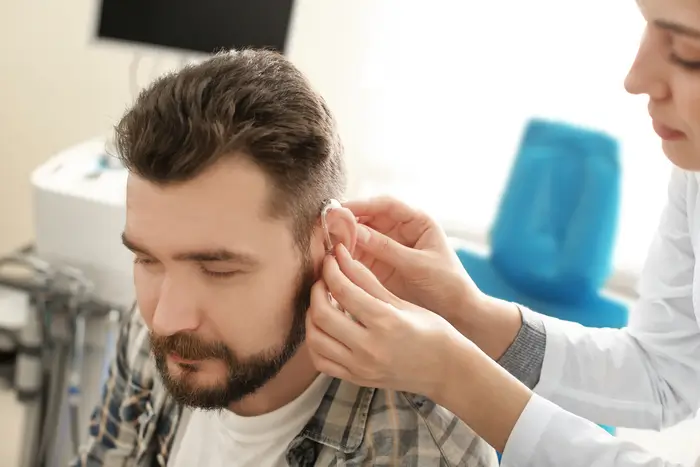
Hearing aids don’t replace hearing – they make speech clearer, even in noise. Today’s devices from Phonak™, Starkey™, Oticon™, and Lyric® reduce background sound, stream from your phone, and adapt in real time.

Myth 3:
I'd know if I had hearing loss
✔️ Fact: Most people don’t notice at first.
If you’re turning up the volume, zoning out in group chats, or guessing what people said – your hearing might be changing. Our AI-powered tests catch even subtle shifts before they start interfering with your life.

Myth 4:
Only severe loss requires hearing aids
✔️ Fact: Even mild loss affects clarity and focus.
Straining to hear takes a toll – on your energy, focus, and connection. With early support and custom-fit hearing aids, you can stay engaged in conversations, protect brain health, and feel more at ease.

Truth matters when it comes to your hearing.
Simple Definitions – What It Really Means
Hearing shapes how you engage with the people around you. When clarity fades, communication breaks down – and that can affect your relationships, mood, and daily life.
3 Social Effects of Untreated Hearing Loss:
Inner ear damage. Most common type. Often managed with hearing aids or long-term support.
Quiz: Is It Time for a Hearing Test?
Our audiologists have helped thousands of New Yorkers catch hearing loss early – often before they even realized it was happening. This quick quiz can help you do the same.
Time to check in with your hearing!
When do you notice sound the most?
What’s your ideal listening setup?
What frustrates you most about hearing changes?
How do you usually handle noisy spaces?
What would you want from a hearing solution?
Mostly A:
You may benefit from discreet, speech-enhancing tech like Lyric® or invisible-in-canal aids.
Mostly B or C:
You’re likely ready for AI-powered solutions that adapt in real-time. Let’s personalize your care.
Mostly B or C:
You’re likely ready for AI-powered solutions that adapt in real-time. Let’s personalize your care.
Mostly D:
Your daily hearing load may be higher than you think. Let’s explore your options together.
What to Expect: Your Hearing Evaluation
Nervous for your test? Here’s what to expect.
| Step | What Happens | What You Get |
|---|---|---|
| 1 | Case history | We learn about your lifestyle and symptoms |
| 2 | Otoscopy | We check for wax, damage, or obstruction |
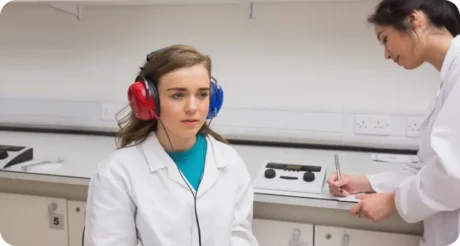
| 3 | Audiometric testing | We chart hearing thresholds across frequencies |
| 4 | Speech recognition | We measure how well you hear words in quiet and noise |
| 5 | Plan of care | We recommend next steps and device options |
Ready to Hear the Difference?
Our board-certified audiologists use clinical-grade tools to evaluate hearing loss at all levels. Get same-day answers, personalized solutions, and ongoing support at five NYC locations + Garden City.
You Deserve the Right Tools – Here Are a Few
Based on what you’ve read, here are some solutions patients often find helpful.
Frequently Asked Questions
What causes hearing loss?
It can come from aging, loud noise, ear infections, certain medications, or genetics. Sometimes it happens slowly, so you may not notice right away. A full hearing test helps us find the cause and recommend the best solution.
How early should I start testing my hearing?
Most people should get a baseline test by age 50, or sooner if they notice changes. We also suggest yearly checkups to catch early shifts. The earlier we find it, the easier it is to treat.
Will people notice my hearing aids?
Not likely. Today’s hearing aids are small, sleek, and many sit deep in the ear. We offer options like Lyric® extended wear or Bluetooth-connected models that are both discreet and powerful.
Are hearing aids covered by insurance?
Oftentimes, yes – and at NYC Hearing Associates, we work with most major insurers. As always, it depends on your plan, so contact our team to see if you’re covered, and we’ll help you right away.
Do I need a referral to book an appointment?
No referral needed. Just make an appointment. We welcome self-referred patients and make it easy to start.