
Many people tell us they have trouble following conversation in restaurants, meetings, or other busy places, even after a standard hearing test comes back “normal.” That experience is real. Clinicians often use the term hidden hearing loss to describe it.
This post explains what that term means, why a standard hearing test can miss it, how we test beyond the audiogram, and what can help.
What is hidden hearing loss?
Hidden hearing loss refers to difficulty hearing — especially understanding speech in background noise — that does not show up clearly on a conventional hearing test. The audiogram, the familiar graph from a standard test, can look typical even when listening in everyday noise feels hard.
If this sounds familiar, you are not imagining it. A normal result in a quiet booth does not always capture what you notice at a restaurant or in a group.
Why a standard hearing test can miss it
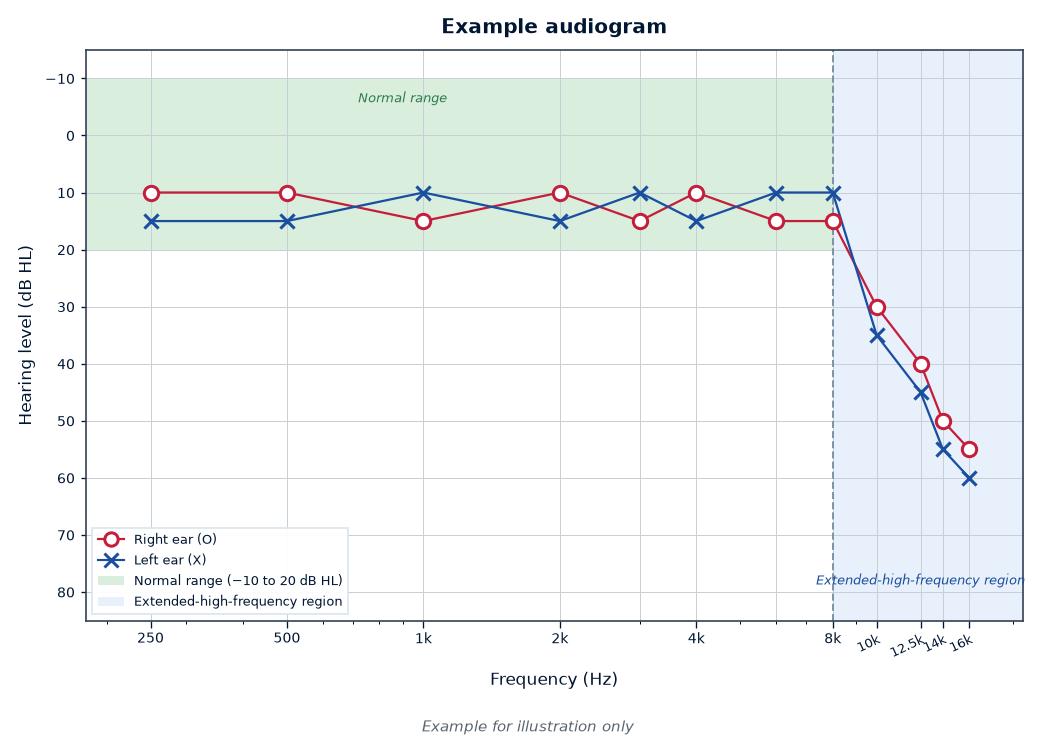
A standard hearing test, or audiogram, measures the softest tones a person can hear at a set of standard pitches (frequencies), usually in a quiet sound booth. That information is important, and it is the starting point of a hearing evaluation.
It does not, by itself, fully describe how well you understand speech when other people are talking around you. It also does not include ultra-high frequencies, which sit above the pitches on a typical audiogram. That is why some people leave a “normal” test still searching for answers.
How we test beyond the audiogram
When a standard test does not match what you are experiencing, we can look further.
Ultra-high frequency testing checks pitches above the usual audiogram range. Those results can add information that a conventional test does not include.
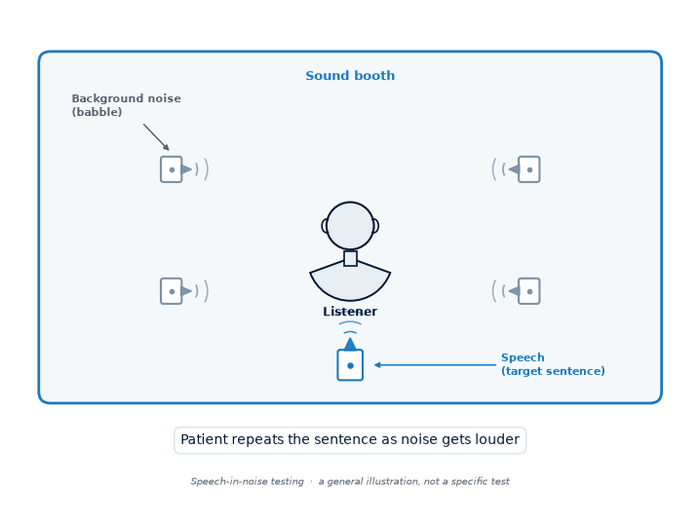
Speech-in-noise testing looks at how well you understand speech when background sound is present. In a typical setup, you listen to sentences from a speaker in front of you while background babble plays from other speakers. You repeat the sentence as the noise gets louder. The test is done in a sound booth and helps us understand real-world listening, not just the softest tones you can hear in quiet.
What can help
The next step depends on your results and your goals. Two approaches we often discuss are tailored auditory rehabilitation and hearing technology. A comprehensive hearing evaluation is the place to start.
Hearing technology and remote microphones
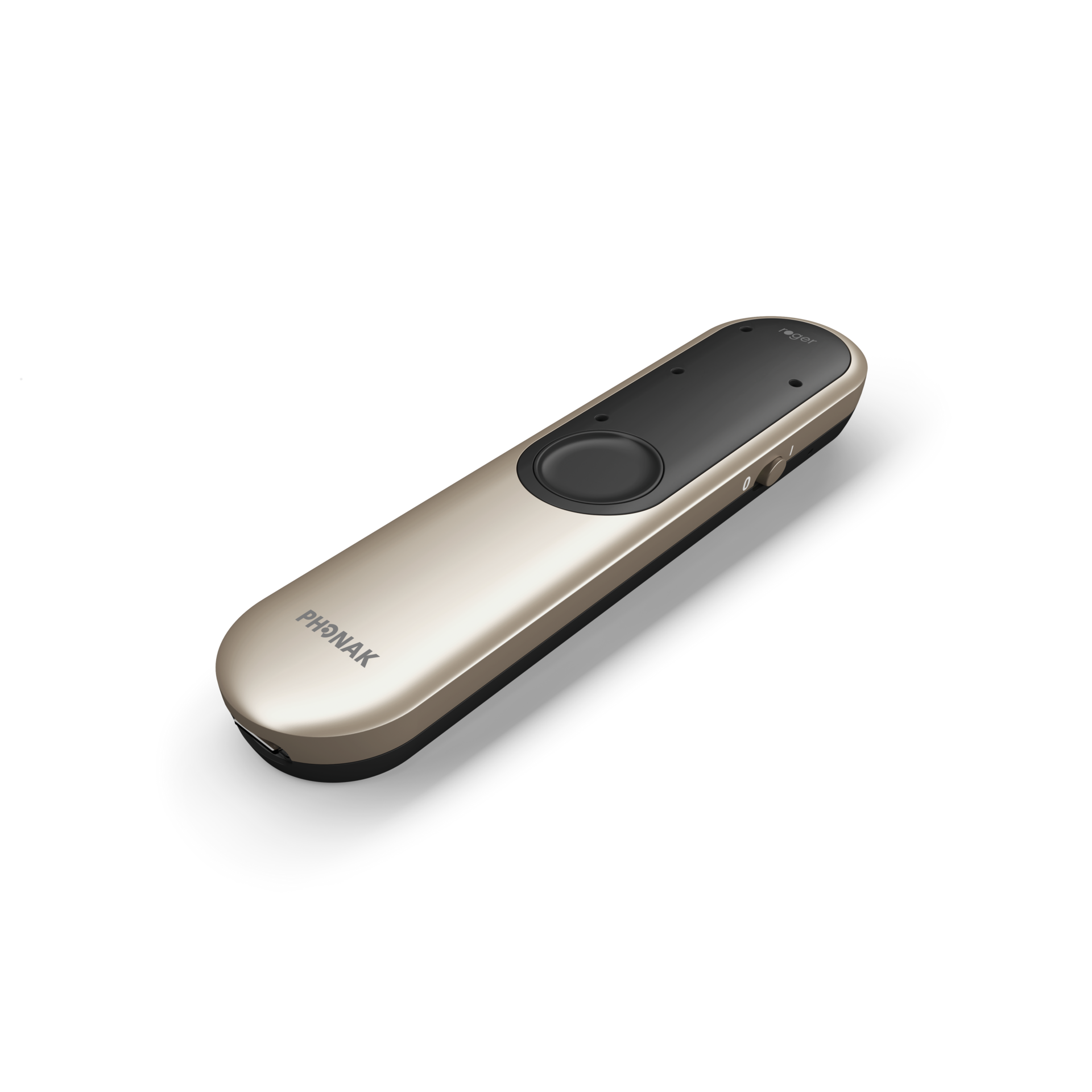
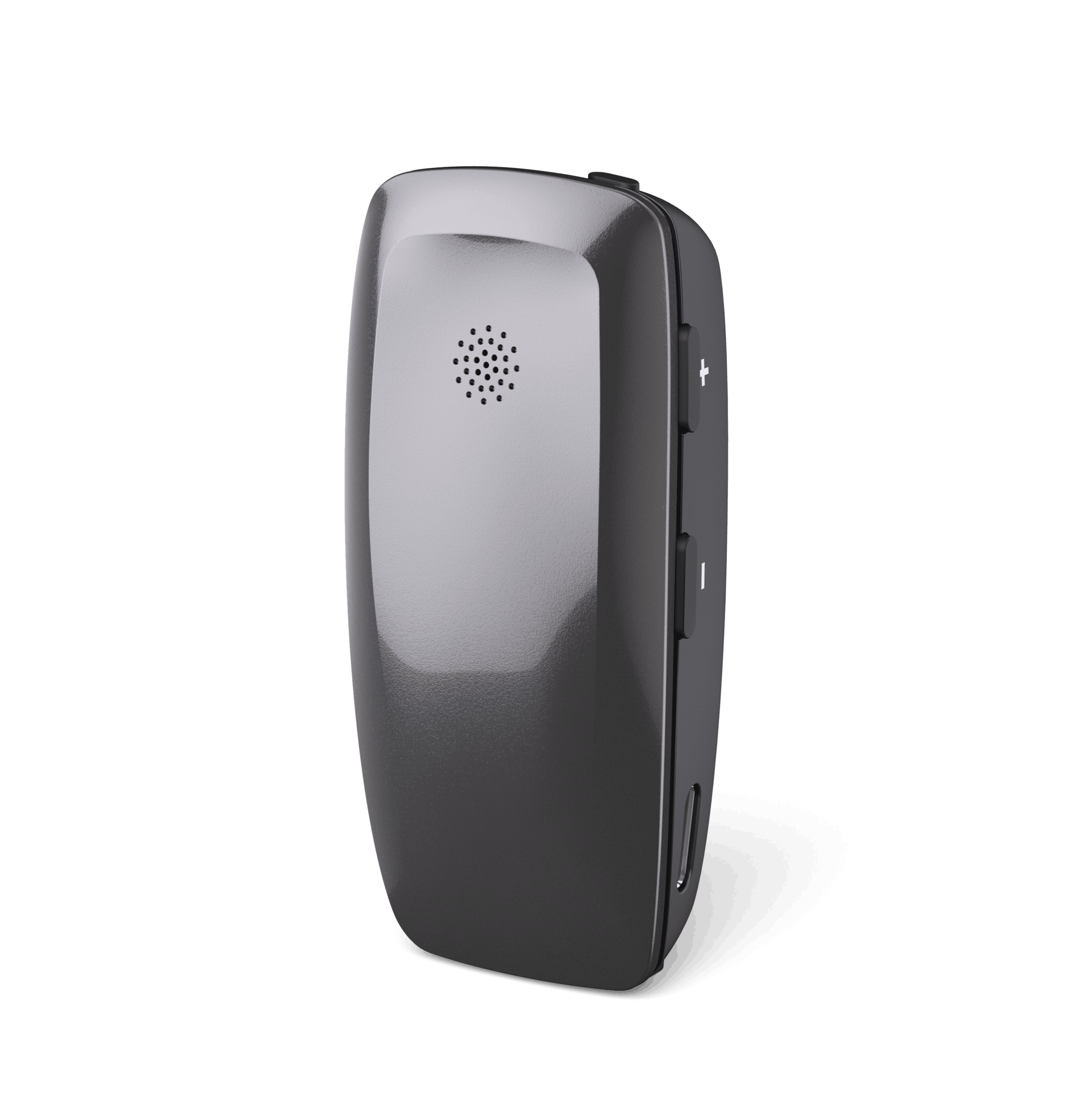
Hearing technology can make speech easier to follow in noise. Remote microphones such as the Phonak Roger On and the ReSound Multi-Mic+ send a talker’s voice directly to compatible hearing aids.
Phonak describes Roger On as transmitting the speaker’s words directly into the hearing aid, which can help in speech-in-noise and restaurant situations. ReSound describes the Multi-Mic+ as streaming audio directly to compatible hearing aids, helping cut through the noise, and clipping onto a conversation partner.
Hearing protection
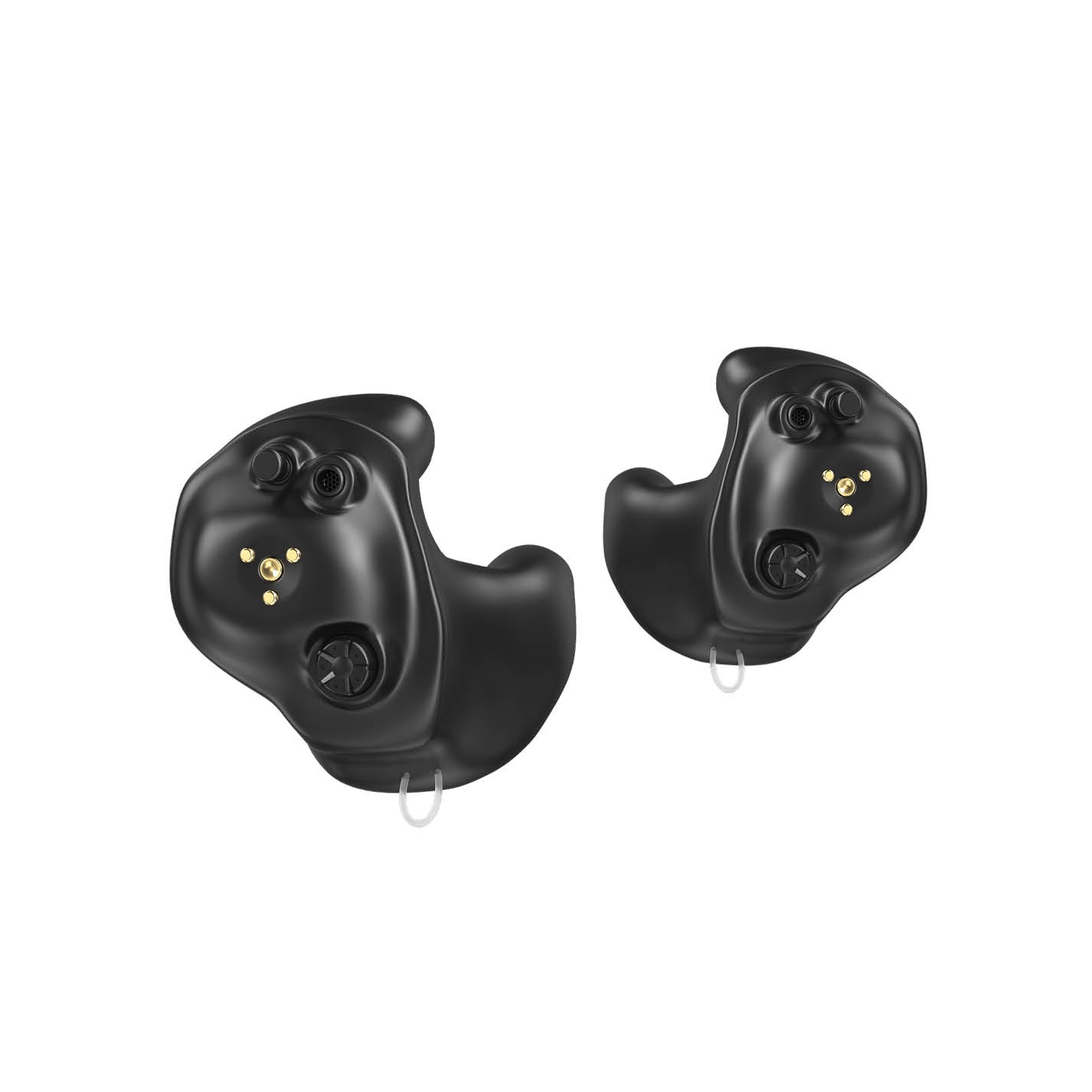
When the goal is protection from loud sound while you still need to hear what is going on around you, we may discuss hearing protection. The SoundGear Phantom is an FDA-listed hearing aid and protection device that SoundGear describes as “Fully loaded hearing protection.” According to SoundGear, it lets you hear environmental sounds and conversations more clearly while offering protection from both sudden and continuous loud sounds.
Auditory rehabilitation: LACE AI Pro and Tinnitus Pro
Auditory rehabilitation can include at-home training programs that exercise listening skills. We offer enrollment in LACE AI Pro and Tinnitus Pro.
LACE AI Pro is an auditory training program. Lessons take about 15 minutes a day and include five types: Speech in Noise, Rapid Speech, Working Memory, Missing Word, and Speech Reading. Access is lifetime. The program is $599 as a one-time fee.
Tinnitus Pro is a tinnitus management program. It includes personalized sound therapy, CBT lessons, and guided meditation. It is not a cure for tinnitus. Access is lifetime. The program is $599 as a one-time fee.
You can enroll in both programs for $699, which is $100 to add the second program. If you cancel within 7 days of purchase, you receive a full refund less a 10% fee ($59.90 for one program, or $69.90 for the bundle). After 7 days, the purchase is non-refundable.
To enroll, call 212-354-2360, email info@nycears.com, or book on Zocdoc. Our team can answer questions and get you started.
If a standard test has been called normal and you still have trouble hearing, we want to hear that. Listening to patients — not only to the chart — is how we decide what to test next and what may help.
Ready to look more closely at your hearing? Book a hearing evaluation with our audiologists
Or email us at info@nycears.com